
Trading a Business for Property, Vehicles, or Another Business: What Actually Makes a Swap Work
A business trade can turn a long sale cycle into a direct move—if the assets, numbers, and risks actually line up.
Trading a Business for Property, Vehicles, or Another Business: What Actually Makes a Swap Work
Selling a business is hard enough.
Trading one for another asset adds another layer of complexity—but also opens doors a cash sale often doesn't.
On GoSwap, that matters because owners are not limited to one path.
A transportation business in Los Angeles can be offered for a California or Hawaii property, a high-end vehicle, or another business.
And a commercial building in Cooper, Texas can be traded for a standard home on at least an acre, a tiny home, or a quality RV with cash or land to balance the deal.
The real advantage of a swap is not speed by itself. It is optionality when the right buyer may also be the right counterparty.
Two listings that show the point
Take Listing #14000 in Los Angeles, CA, priced at $220,000 with a stated value of $189,000.
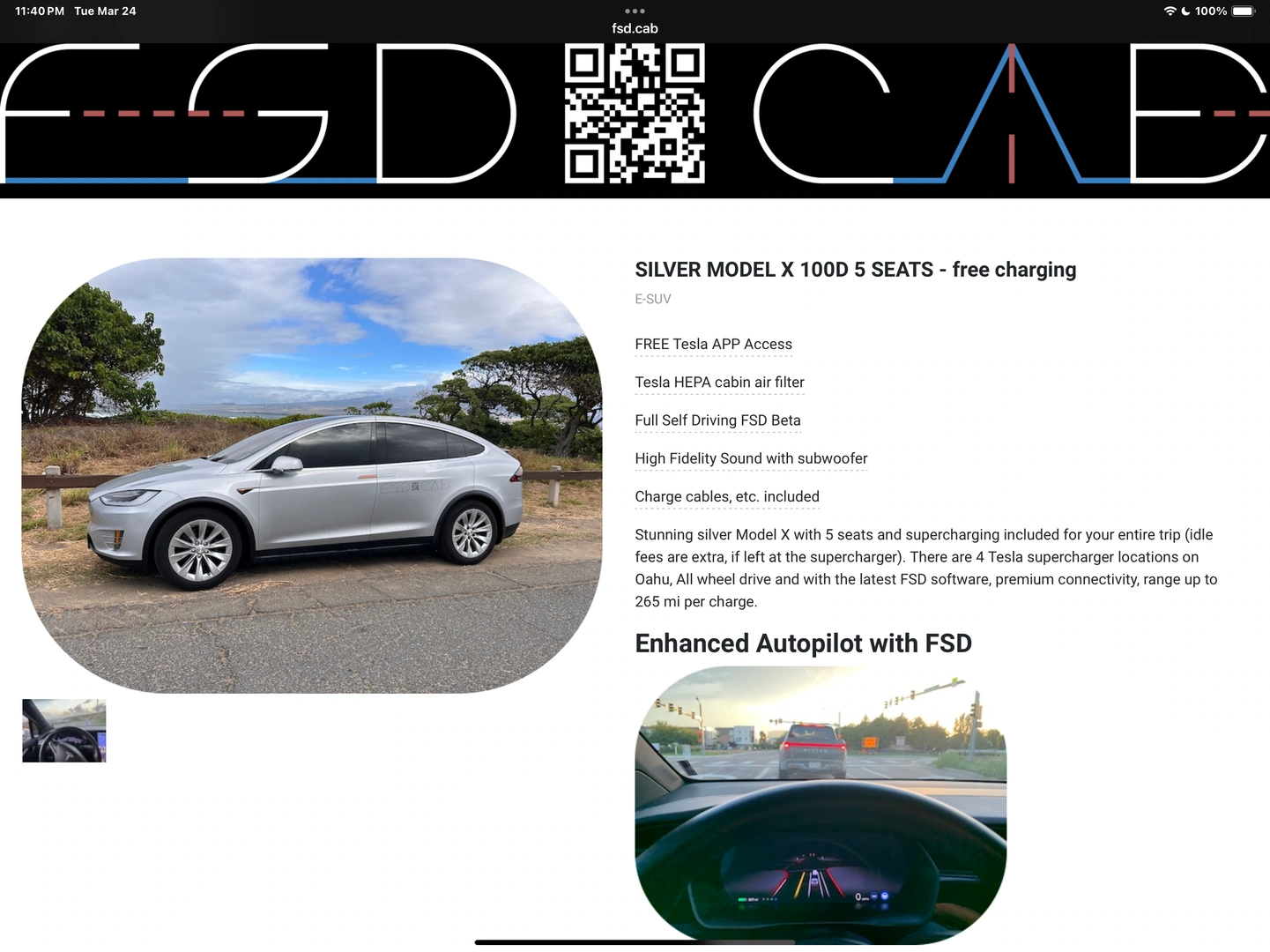
This is a business: a potential autonomous cab operation with two Tesla Model X SUVs, full self-driving capability, prepaid supercharging on one vehicle, a 3-letter domain—www.fsd.cab, and a website with automated bookings.
The package includes:
- 2018 Tesla Model X, 75k miles, 5 seats, FSD, unlimited supercharging prepaid
- 2017 Tesla Model X, 6 seats, FSD prepaid
- www.fsd.cab
- automated booking website
- stated annual revenue: $200,000
- owner will consider a high-end vehicle, property in California or Hawaii, or another asset, up to $330,000
See What's Available to Trade →
Then compare that with Listing #14039 in Cooper, TX, priced at $373,500.
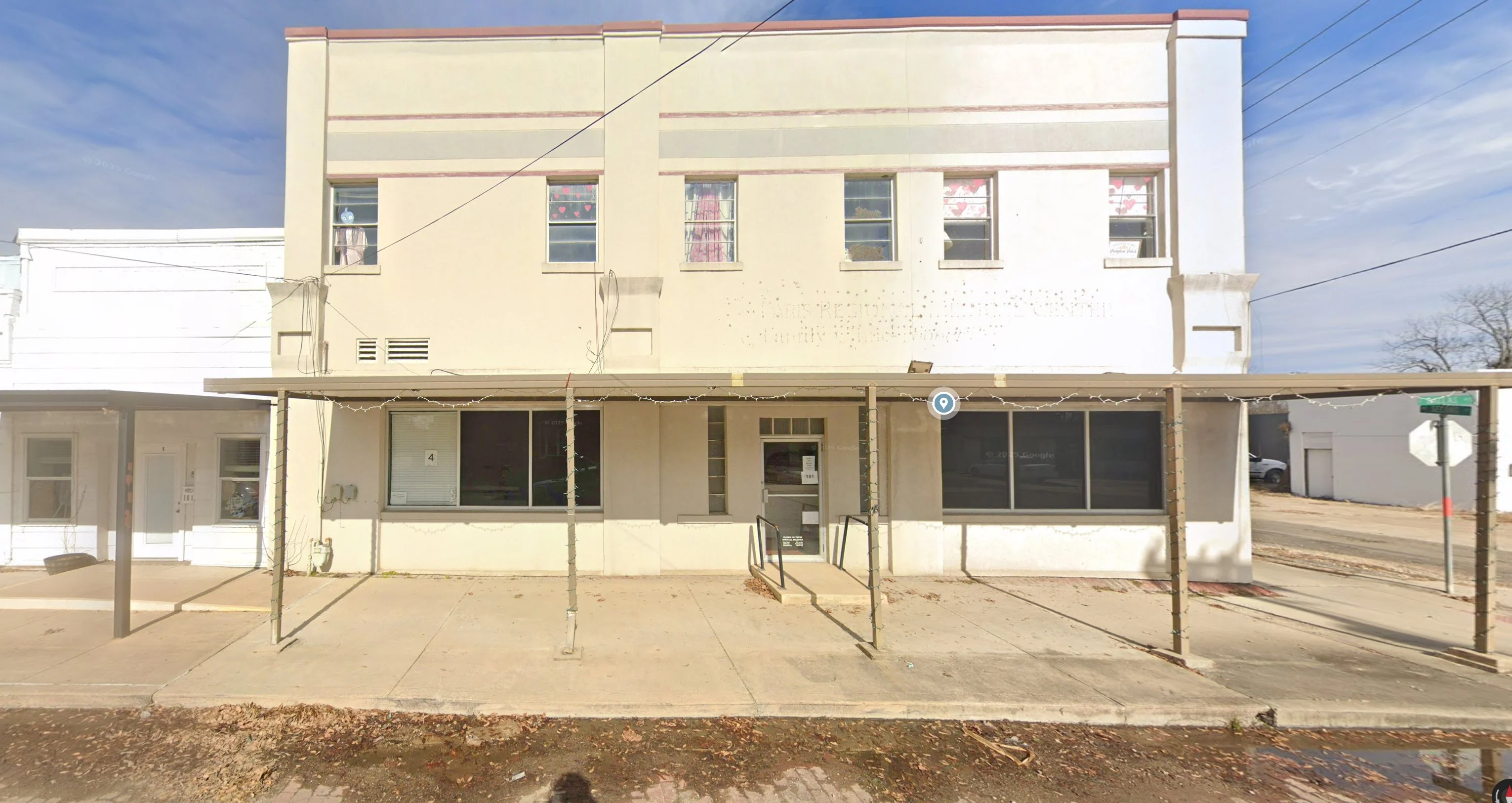
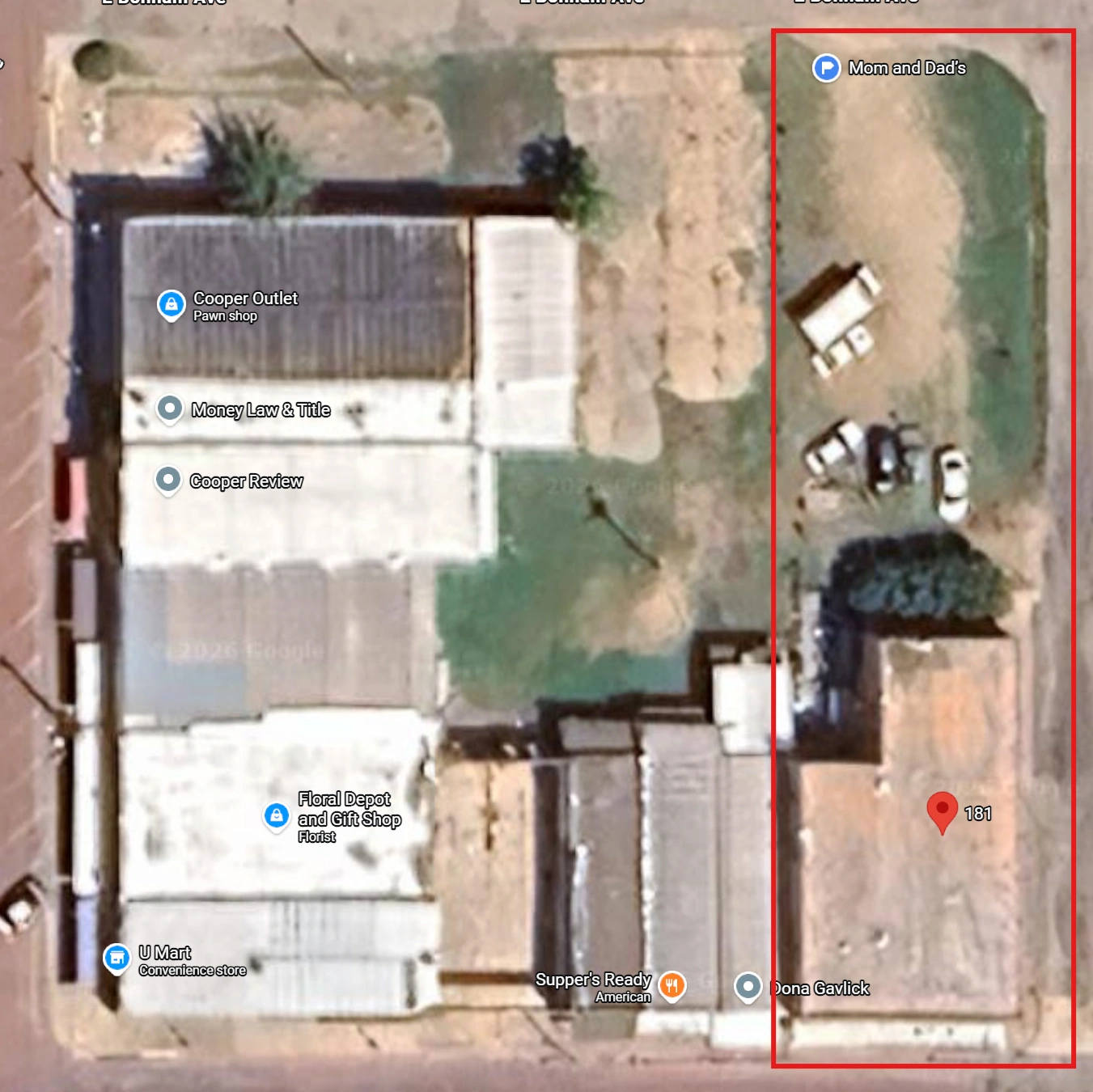
This is an 8,300-square-foot mixed-use commercial property at 181 East Dallas Avenue in Cooper Town Square.
Its appeal is not vague.
It has residential and commercial zoning, excellent visibility, and a private parking lot, which is unusual for a town square building.
It could remain office space, or—subject to local requirements—be converted to a bed-and-breakfast, apartments, or mixed-use space.
The seller is open to trades for a Texas home on at least an acre, and may also consider a quality RV or tiny home with cash or land.
Business for business, business for property, business for assets
The common mistake is thinking a swap only works when two owners want the exact same thing.
That is not how many good trades happen.
A business owner may want to reduce operating headaches and move into real estate.
A property owner may want income potential and be willing to take an operating business instead of waiting for a cash buyer.
That is where the Los Angeles cab business becomes interesting.
At $220,000, it sits in a range where it could be paired with:
- a condo or small home in California or Hawaii, with cash adjustment
- a high-end vehicle plus cash
- another business with lower operational intensity
- a larger asset where the owner of Listing #14000 adds cash or other assets
The Cooper property shows the reverse.
Instead of selling an 8,300-square-foot building on the open market and then shopping for a home, the owner can directly target a residential asset in Texas.
That may sound simple, but it changes the conversation.
You stop asking, “Who will buy this?” and start asking, “Who has the thing I want, and what gap needs to be closed?”
The objection I hear first: “What if the valuations don’t match?”
They usually do not match perfectly.
That is normal.
The Los Angeles business is listed at $220,000, but the seller's max swap value goes to $330,000.
That tells you the owner is open to structuring, not just demanding an even swap.
A deal might look like this:
- Business valued at $220,000
- Hawaii condo valued at $275,000
- Business owner adds $55,000 cash
- or adds another asset if both sides agree
The Cooper building is easier to picture numerically.
A seller with a $373,500 mixed-use property might accept:
- a Texas home on acreage worth $300,000
- plus land
- or plus a quality RV
- or simply cash to cover the difference
A valuation gap is not a deal killer. An unexplained valuation gap is.
That means both sides need records, not opinions.
For a business, think revenue history, operating costs, maintenance records, website traffic, domain value, and transferability.
For real estate, think comps, zoning confirmation, title, condition, and any deferred maintenance.
For vehicles, think VIN reports, mileage, service records, and lien status.
What about financing and existing debt?
This is where swaps get real.
If a business asset is owned free and clear, the transfer is cleaner.
If there is debt on the vehicles or the property, you need lender consent or a payoff plan.
With the Los Angeles transportation business, the buyer should ask very direct questions:
Are the Teslas financed?
If yes, can the liens be paid off at closing, or formally assumed if permitted?
If no, that materially improves tradability.
Is the stated $200,000 annual revenue documented?
You want bank statements, booking history, tax returns if available, and clarity on what portion comes from actual operations versus projected use cases.
Does “run your own business anywhere” hold up in practice?
Operationally, maybe.
Legally and commercially, that depends on local rules, insurance, licensing, and demand in the destination market.
For the Cooper, Texas commercial property, the debt question matters just as much.
A free-and-clear owner-user mixed-use building is very different from one with a loan maturing soon or repair issues hidden behind the square-foot count.
View This $1.2M Kihei Property →
What I would want to know before trading for the Los Angeles cab business
First, I would separate the asset package into parts.
This is not just “a business.”
It is:
- two used Tesla Model X vehicles
- FSD-equipped branding and positioning
- prepaid charging benefit on one vehicle
- a memorable 3-letter domain
- a booking website
- a concept with claimed revenue
Each part has a different risk profile.
The cars depreciate. The domain may hold branding value. The website may or may not produce leads without ongoing marketing.
And the phrase “autonomous cab business” is attractive, but I would not value the business based on a futuristic story.
I would value the actual transferable assets and verified earnings power.
That is the sober way to look at a $220,000 Los Angeles business listing.
Not as hype, but as a stack of assets with commercial use.
Why the Cooper square property is a different kind of trade candidate
The Cooper, TX listing is easier for many counterparties to underwrite because the asset is tangible and flexible.
An 8,300-square-foot building with both commercial and residential zoning offers several exit paths.
That matters in a trade.
If a counterparty is giving up a house on acreage, they want to know the thing they receive is not trapped in one narrow use.
The private parking lot is more important than it sounds.
On a historic town square, parking changes usability, tenant appeal, event-day revenue options, and guest convenience if the space becomes hospitality-oriented.
And the location near Cooper Lake State Park and Jim Chapman Lake is not just brochure language.
Those nearby recreational draws can support visitor traffic if the property is repositioned.
Flexibility is value. A property that can remain commercial, shift toward lodging, or become mixed-use has more ways to win.
Browse Maui Properties on GoSwap →
Three ways a trade might actually be structured
1. Business for property
The owner of the Los Angeles business trades the $220,000 Tesla-based operation for a California condo, Hawaii property, or another qualifying real estate asset.
If the property is worth more, cash or another asset bridges the difference.
If the property is worth less, the business owner may ask for cash back.
2. Business for another business
An owner tired of transportation logistics could trade into a lower-touch company.
Think service business, e-commerce operation, or another business with cleaner recurring revenue and fewer moving parts.
The important point is fit, not novelty.
A swap only improves your position if the incoming business is easier to run or better aligned with your goals.
3. Commercial property for residential lifestyle asset
The owner of the $373,500 Cooper mixed-use property could trade into a Texas home on at least an acre, or accept a tiny home or RV with cash or land.
That is not a downgrade by definition.
It may be a deliberate move from commercial holding costs into simpler personal use, lower overhead, or a land-based lifestyle.
Where trades go wrong
Usually, not because the idea is bad.
Because the diligence was soft.
Common failures include:
- owners pricing based on aspiration instead of evidence
- unclear lien status
- poor financial documentation
- underestimating transfer costs
- ignoring tax consequences
- assuming zoning or licensing allows the next use
- treating a website or brand as valuable without proving traffic or conversion
With Listing #14000, I would be especially careful about how much of the value sits in the Teslas versus the operating business itself.
With Listing #14039, I would want clarity on condition, conversion feasibility, and local demand for any alternate use.
The honest case for trying a swap
If you need certainty at a fixed price and want the broadest financing pool, a conventional sale is often cleaner.
That remains true.
But if your real objective is not cash—it is to end up with a house, another business, a vehicle, an RV, land, or a different kind of property—then a swap can cut out one whole transaction.
You may save months of sitting on the market.
You may also avoid selling into a weak buyer pool only to overpay for the next asset.
That is why these two listings matter.
A $220,000 business in Los Angeles and a $373,500 mixed-use building in Cooper, Texas are very different assets, but both become more liquid when the owner is willing to trade rather than insist on one rigid outcome.
Final thought
The best swaps are not clever.
They are clear.
Clear pricing. Clear title. Clear records. Clear reasons each side wants what the other has.
That is what turns “maybe” into a transaction.
If you own a business, a commercial building, or another high-value asset, the right trade may not look like a traditional buyer at all.
It may look like a counterparty with a property, vehicle, RV, or business that solves your next problem in one move.
Latest Posts
Browse published articles and open any post directly.
In a Tight Market, Negotiate the Gap—not the House
When cash buyers push discounts, a swap preserves value by negotiating the gap between assets instead of discounting the whole move.
Trading a Business for Property, Vehicles, or Another Business: What Actually Makes a Swap Work
A business trade can turn a long sale cycle into a direct move—if the assets, numbers, and risks actually line up.
Trade Houses Smarter: Why More Owners Are Swapping Instead of Selling
Trading houses can be a practical way to change locations, downsize, shift into a different lifestyle, or unlock value without relying only…
Imagine the Swapabilities
All the swaps that could happen
About the GoSwap blog
We cover the practical side of asset swapping: how owners trade houses, vehicles, boats, aircraft, land, and businesses, how to structure a proposal when two assets aren't worth the same, and what we're seeing across marketplace listings.
Swap mechanics and how-tos
Sending a proposal, agreeing on terms, signing a letter of intent, closing. New here? Start with the how-to-swap guide.
Market and category guides
What trades well in each asset class, how owners price for a swap, and the cross-category pairings that keep showing up.
Deal structure and financing
Cash on one side, added assets, or owner financing — and the trade-offs of each. For the bigger picture, see why swap.
Due diligence and closing
Titles and liens, inspections, valuations, and the paperwork that protects both sides. Common questions live in our FAQ.